
FEATURES |
By Royal Calkins
The Monterey County Board of Supervisors unanimously approved a set of measures Tuesday ending the Department of Homeland Security’s special access to information about local jail inmates, giving up more than $1 million in federal funding annually. And, in another surprise move, the board also created civilian oversight for the Monterey County Sheriff’s Office.
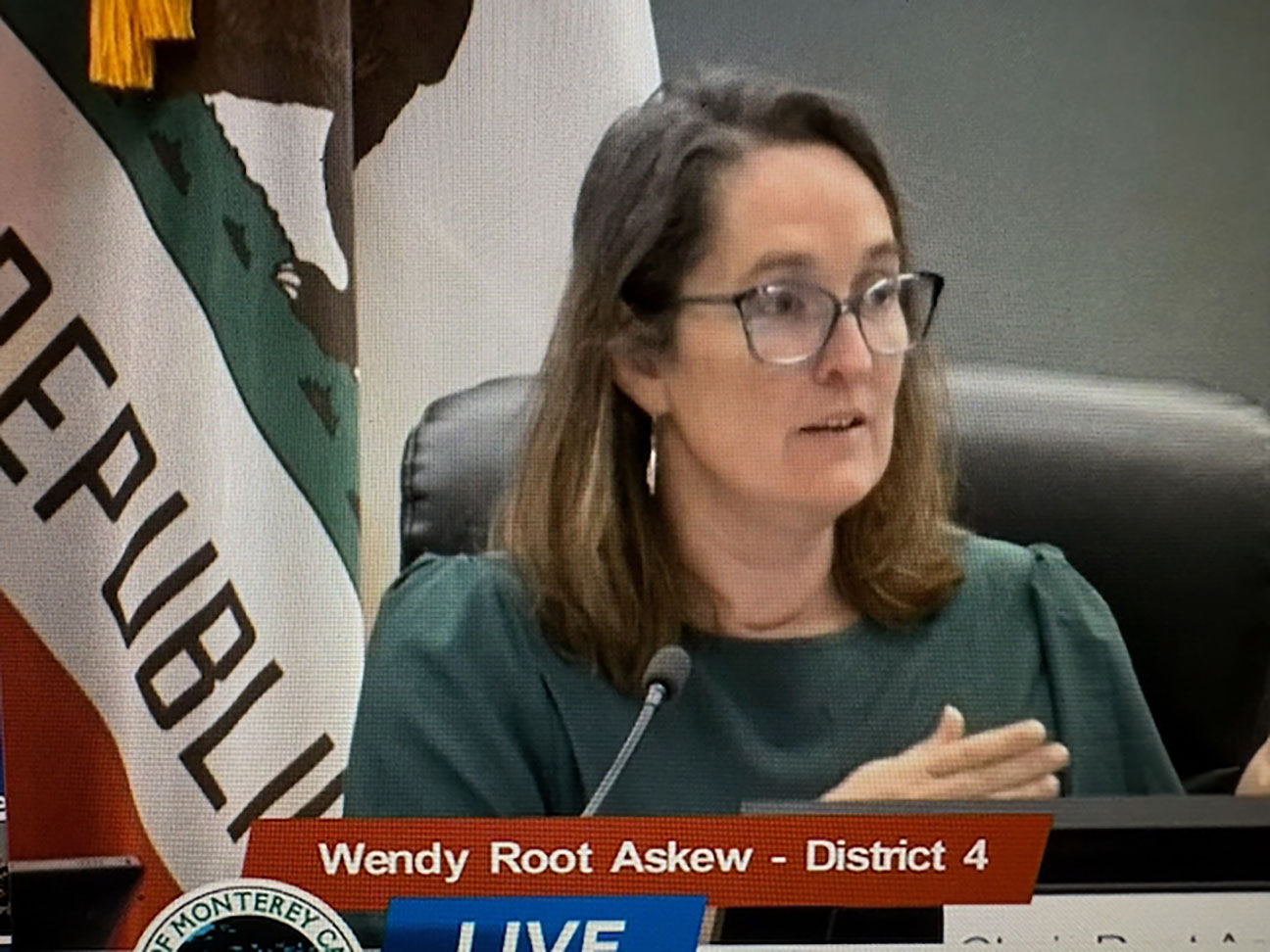
For part of the afternoon-long session, it appeared the board’s wishes in several immigration and enforcement areas would be buried under competing political considerations and a long list of bureaucratic concerns. But led by board Chairwoman Wendy Root Askew and Supervisor Kate Daniels, the supervisors surprised community representatives who argued that the county needs to do whatever it can to end the turmoil and fear that DHS and its Immigration and Customs Enforcement police force has spread through immigrant communities in every state.
Enlarge
Sheriff Tina Nieto argued against both the civilian oversight panel and against pulling out of the federal State Criminal Alien Assistance Program (SCAAP), which provides millions of dollars annually to state prison systems and county jails in exchange for regular reports on inmates suspected of being undocumented. Monterey County had been scheduled to receive $635,000 from the program later this year and more than $1.2 million next year.
Several anti-SCAAP speakers in the audience said the financial incentives of the program obviously could encourage local law enforcement to target immigrants for arrest.
Nieto maintained that SCAAP has nothing to do with helping ICE track down targets — that it is simply a way for the feds to help local law enforcement financially. Immigrant advocates and others, however, strongly suspect that it is meant mainly to help federal officials create a national database of undocumented people who have been in legal trouble, setting them up for deportation.
Most California counties participate in the program, but the list of exceptions is growing. Santa Cruz and San Mateo counties recently opted out, joining San Francisco County, Los Angeles County and others. The largest recipient of the federal dollars is the California prison system, something that most state officials have avoided acknowledging. Emails from Voices to Gov. Gavin Newsom’s office on the subject last year were ignored.
The national debate over ICE’s heavy-handed tactics has included concerns that local law enforcement officers across the country have been moonlighting for the federal agency, which sometimes operates more like a civilian posse than a legitimate crime-fighting agency. The supervisors agreed Tuesday to craft a policy to prevent local deputies from signing up, though the county staff made it clear that that would require discussions with the unions representing deputies and their higher-ups. At one point the supervisors seemed to be heading toward banning any county employees from moonlighting as ICE agents, but it wasn’t clear how that idea fared.
Nieto said she would never let her deputies moonlight for ICE.
Largely because of financial concerns raised by Nieto and her staff, who participated in the meeting by phone, it looked early on as though the efforts of Askew and Daniels might fizzle. But Supervisor Glenn Church expressed his support shortly after the motion was made and was quickly joined by supervisors Chris Lopez and Luis Alejo.
The supervisors have spent much of the year trimming the overburdened county budget, which led to another vote Tuesday to push ahead on a repeatedly delayed audit of the sheriff’s budget. Some have been quietly critical of the department’s continuing need for budget supplements. Adding to the struggles, Nieto’s operation has been essentially forced by the federal courts to greatly increase spending on health care and staffing in the jail, leading to hefty overtime pay and short staffing in core areas such as patrol and investigations.
It was clear throughout the meeting that the supervisors would create a new county position of inspector general, a civilian who will look over the sheriff’s shoulder on budgetary issues, internal affairs investigations and other matters that are now considered solely the jurisdiction of Nieto and her staff. While running for office in 2022, Nieto said she supported the naming of an inspector general, but her support cooled after her victory. Santa Cruz County created such a position last year and has reported positive responses from the community.
Enlarge
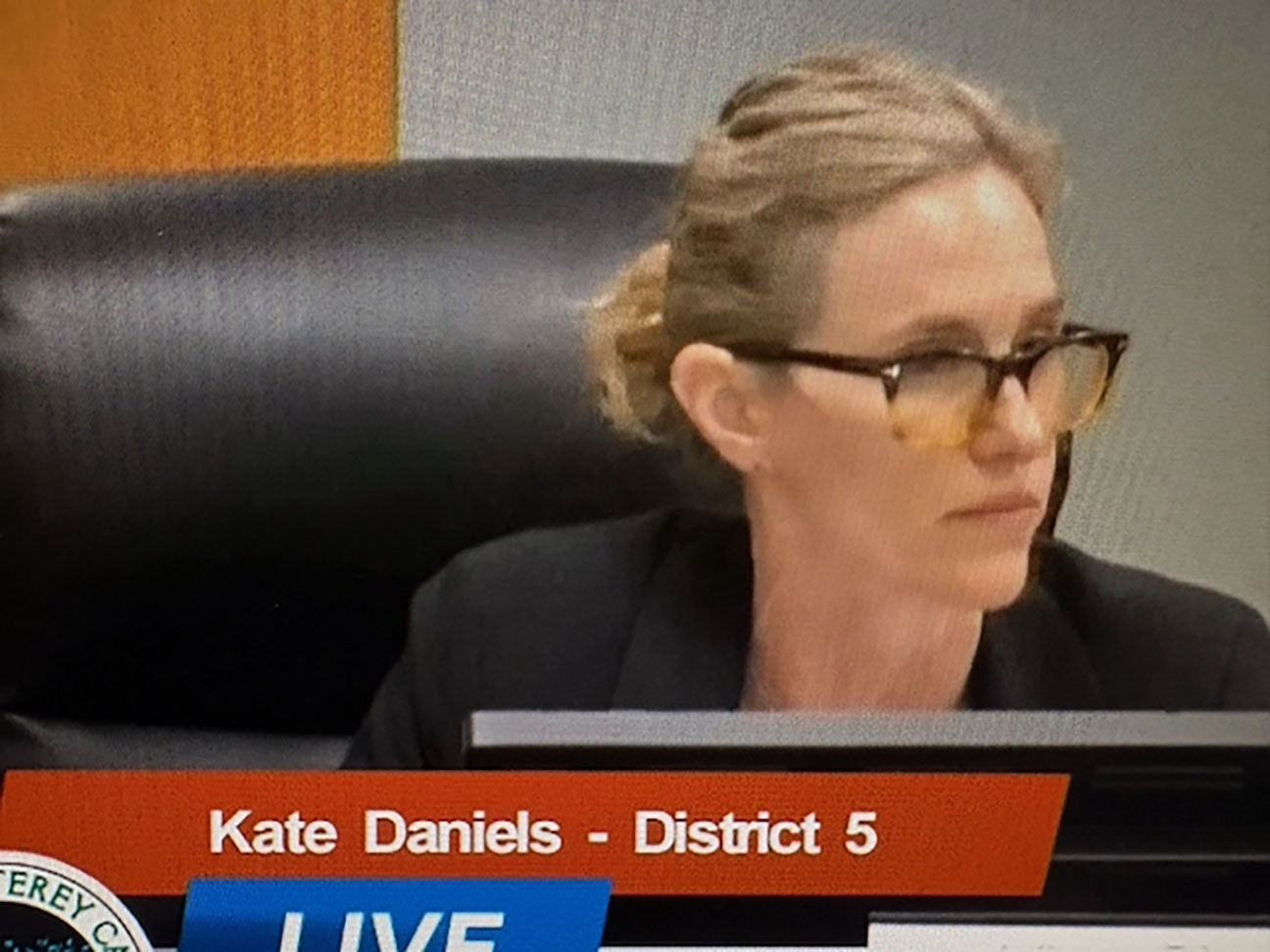
Tuesday, the supervisors briefly addressed the idea of a citizens’ advisory panel before the voting began but they seemed to be shying away from it because of the cost of staffing such a program. But when Daniels made a motion incorporating that and the other changes, it was full speed ahead.
“I’m not going to resist that,” Nieto said by phone. “It’s the board’s decision.”
Details and a timetable weren’t discussed.
After the meeting, Nieto said by email, “I think I’ll have an OK time working with the inspector general. I will have to hold my comments on a civilian oversight board because those counties that have Incorporated them have had a lot of issues with them. I would take a look at that. Also, the inspector general will most likely have to work with them a lot more closely than I will.
“Unfortunately, I believe that there was a lot of political theater in the discussion. However, as a sheriff this was not my meeting … and it would’ve been counterproductive to try to explain again why certain things work the way they do. When my office answered a question and we were uncertain, the chairperson and Supervisor Daniels demanded certainty. But when the public defender spoke and couldn’t give certainty, they just moved onto the next issue. This was not a meeting in any way that was going to be a win-win for both the community and the Sheriff’s Office. But, hey, you never know — things could turn out differently and everybody could learn to work together to make our county better.”
The supervisors recently approved a budget supplement to enable the county Public Defender’s Office to provide immigration-related legal services for undocumented people held in the jail. They also approved a resolution opposing the Trump administration’s plan for a proposed ICE detention facility near Gilroy.
While it was still unclear which way the supervisors might go, a couple dozen community members stepped up to the microphone to denounce ICE and urge the county government to aggressively represent the interests of the region’s large immigrant population. They were joined by callers who all expressed the same sentiment — except for one woman who mainly seemed to want to criticize Supervisor Alejo.
Veteran antiwar activist McGregor Eddy told the board that their path was obvious.
“Just stop and tell your sheriff to never call ICE,” she said.
Several speakers mentioned that local cooperation with immigration authorities makes many immigrants afraid to trust sheriff’s deputies, local police officers or anyone else in the local system, making it harder to solve crimes.
One woman said that participation in SCAAP showed the public that local government “is willing to trade trust for a check, that you are worth more behind bars than you are to this community.”

Have something to say about this story? Send us a letter or leave a comment below.
SUPPORT NONPROFIT JOURNALISM 
GET OUR FREE WEEKLY NEWSLETTER

I applaud Supervisor Askew for pushing this important issue through. It’s time for accountability and most importantly restore trust between the Sheriff’s Office and the public. I speak for many current and retired Sheriff’s Office employees. It’s long overdue!
Great article
I can’t express how disappointed I am with Nieto. She’s swallowed the good ol’ boys’ Kook-Aid. Thanks for this, Royal.