OPINION |
By Corina De La Torre
SIDEBAR | Taking action: In the face of automatic license plate readers, this is what Salinas residents can do
In the summer of 2021, the Salinas City Council approved a contract with Flock Safety to deploy Automated License Plate Readers (ALPRs) across Salinas. At the time, Reinvest831, along with other grassroot organizations and resident advocates, asked the council to pause, hold a public forum, establish community oversight, and answer basic questions about who would have access to the data these cameras collect. Those concerns were overlooked. The cameras went up.
And now, four years later, amid a politically charged federal administration and countrywide pushback on this surveillance technology, it is clear that what we feared was not hypothetical. Immigration and Customs Enforcement and other federal agencies have been tapping into Flock Safety’s camera networks across California, in direct violation of state law and third-party vendor agreements. Salinas residents are at risk of being illegally surveilled.
Most importantly, residents hold the power to determine what comes next and what we accept as a community.
Across the state, audit data shows that the prohibition is not being enforced and Flock Safety’s platform has been a central part of the problem.
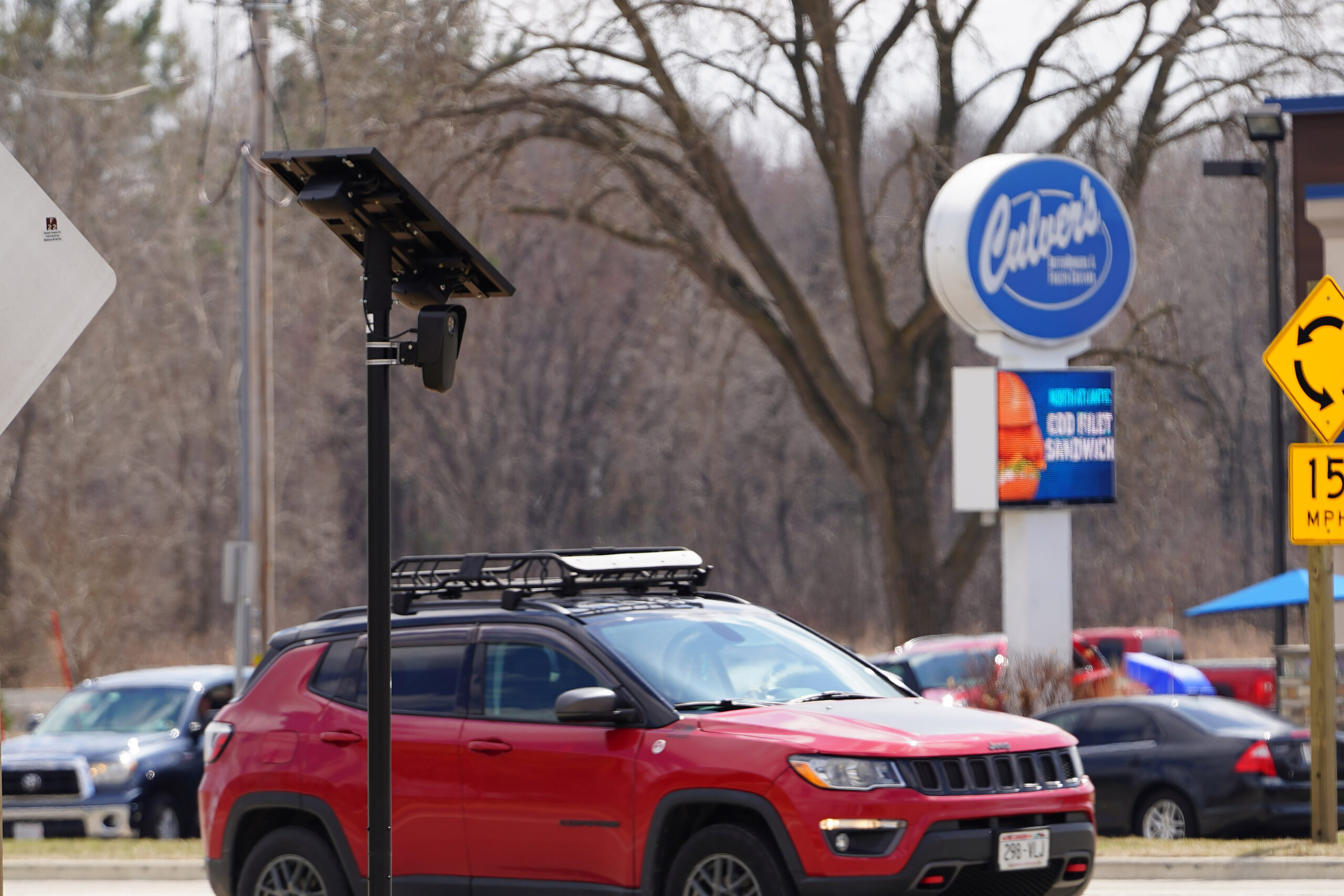
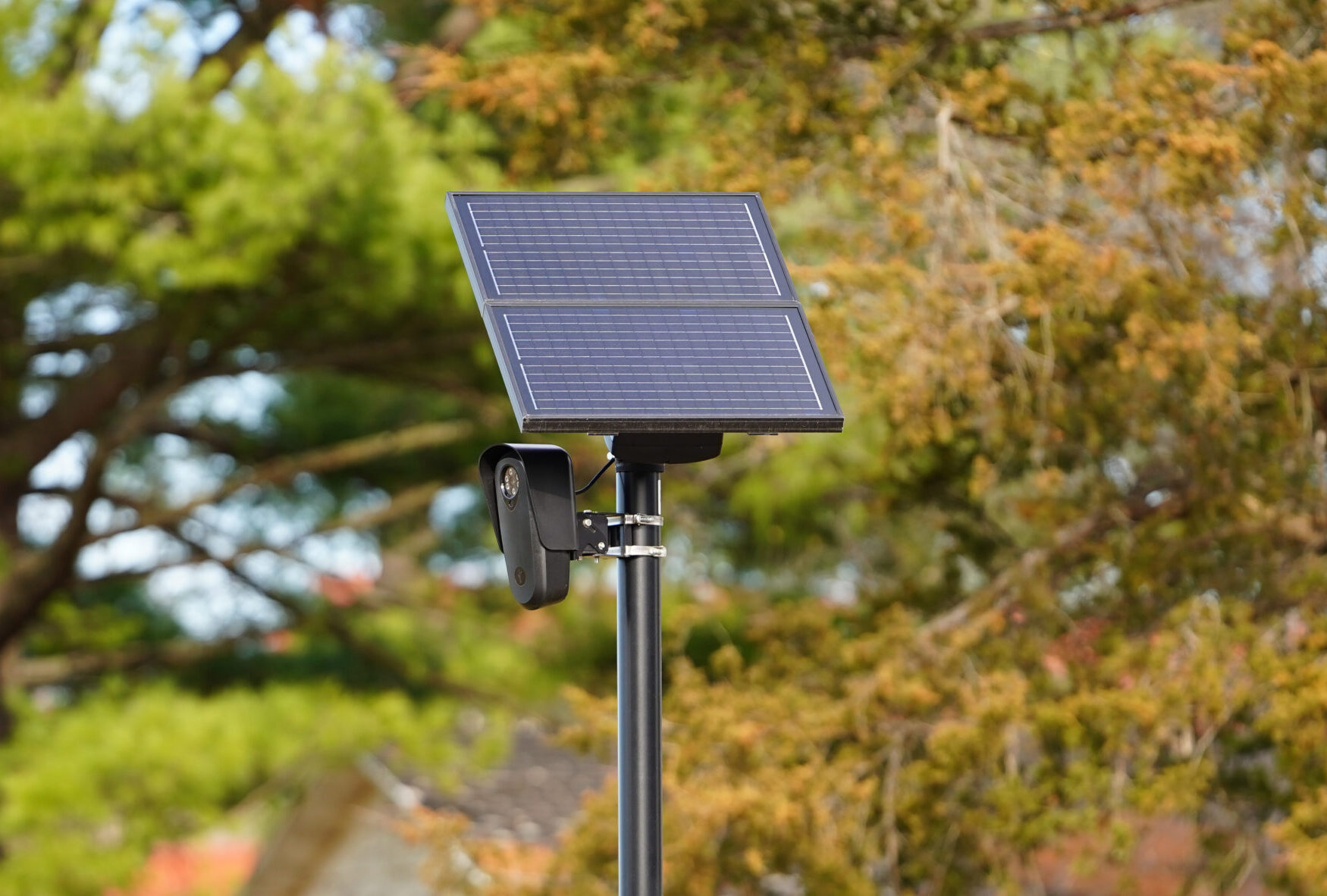
Automated license plate readers are high-speed cameras that automatically scan every license plate in range. These cameras record the plate number, GPS location, date and time for every vehicle, every time, regardless of any connection to criminal activity. The Salinas Police Department’s own policy confirms this: “Reasonable suspicion or probable cause is not required before using an ALPR.”
Every driver in Salinas is potentially in the database.
When the City Council approved the Flock Safety contract in 2021, there was no public forum, no transparency portal, and no clear answers about where cameras would be placed or who could access the data they collected. Since then, the program has only grown. In 2023, the Salinas Police Department used nearly $1.17 million in federal funding to double its camera network to 40 Flock cameras. The data those cameras collect does not stay in Salinas. It is transferred to the Northern California Regional Intelligence Center (NCRIC), a regional hub where it can be accessed by agencies far beyond our city limits.
California’s SB 34 (2016) and Civil Code 1798.90.55 explicitly prohibit law enforcement from sharing ALPR data with federal or out-of-state agencies. But across the state, audit data shows that the prohibition is not being enforced and Flock Safety’s platform has been a central part of the problem.
For example, in 2025, the San Francisco Police Department allowed out-of-state agencies to conduct 1.6 million searches of its ALPR data, including at least 19 searches explicitly marked as ICE-related. A California Highway Patrol review of 845 ALPR systems, including Oakland’s, found searches labeled “ICE case.” During a single 30-day period, Riverside County’s ALPR logs showed hundreds of thousands of searches referencing Customs and Border Protection and Homeland Security Investigations, a division of ICE.
In February 2026, Mountain View discovered that Flock Safety had activated a “nationwide search setting” on the city’s camera network without authorization, giving federal agencies access for months without the city’s knowledge. Mountain View terminated its Flock contract.
This is not a vendor error. It is a documented pattern. Flock Safety enabled nationwide access settings on multiple California camera networks without notifying the cities involved. The company’s own infrastructure has become a pipeline for federal immigration enforcement regardless of what any individual city’s policy says.
Enlarge
Salinas, as we know, is home to a large migrant farmworker community, a majority-Latino population, and thousands of mixed-status families. ALPR data creates a detailed record of where residents go: to and from workplaces, medical clinics, schools, houses of worship. That data, in the hands of federal immigration enforcement, is a mapping process.
The current federal administration has explicitly endorsed using physical appearance as a basis for immigration enforcement decisions. In September 2025, the U.S. Supreme Court permitted ICE to use race as a factor in detention decisions in Los Angeles. Nationally, audit logs reveal that Flock cameras installed in more than 100 school systems were searched 620 times in a single month for immigration purposes. No warrants, no subpoenas, no notifications to the schools or families involved.
Salinas has had these cameras since 2021. The data has been accumulating for years. We do not know what federal agencies have already accessed it because no public audit has been conducted and no transparency portal exists.
Salinas has had these cameras since 2021. The data has been accumulating for years. We do not know what federal agencies have already accessed it because no public audit has been conducted and no transparency portal exists.
This is precisely the problem.
Communities across the state are responding. Santa Clara County, Mountain View and Los Altos Hills have terminated their Flock contracts. Redmond and Olympia, Washington, suspended their cameras after ICE made arrests near camera locations. San Jose voted unanimously in March 2026 to reduce data retention from one year to 30 days, ban cameras near clinics, schools and houses of worship, and categorically prohibit immigration enforcement use. The Electronic Frontier Foundation and ACLU of Northern California have filed suit, arguing that warrantless ALPR searches violate the Fourth Amendment, with similar cases moving against Oakland and Marin County.
The future of this city belongs to the people who live in it. In 2021, we raised our voices and were not heard. We are raising them again and we are inviting every resident of Salinas to raise theirs alongside us.
The narrative of what public safety means in our city, and who it is meant to protect, is up to the residents and community of Salinas.
Enlarge

Have something to say about this story? Send us a letter.
SUPPORT NONPROFIT JOURNALISM 
GET OUR FREE NEWSLETTER