FEATURES |
By George B. Sánchez-Tello
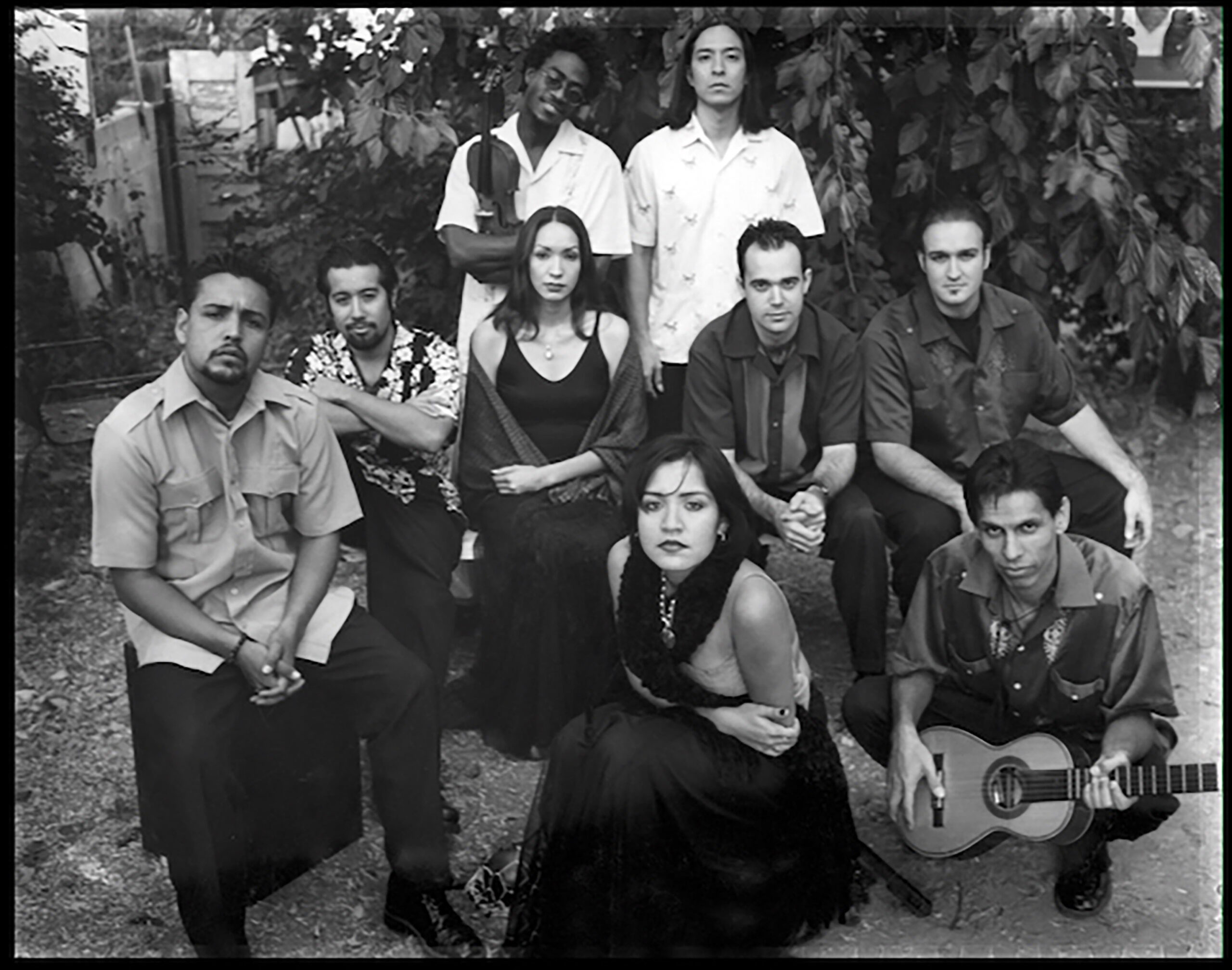
More than 30 years ago, Hollister High graduate Akira Boch began filming a burgeoning art scene on Los Angeles’ east side. The camera was a way to document a community and meet people, Boch said. One of those individuals is Quetzal Flores, founder of the Grammy award-winning Chicano rock band Quetzal.
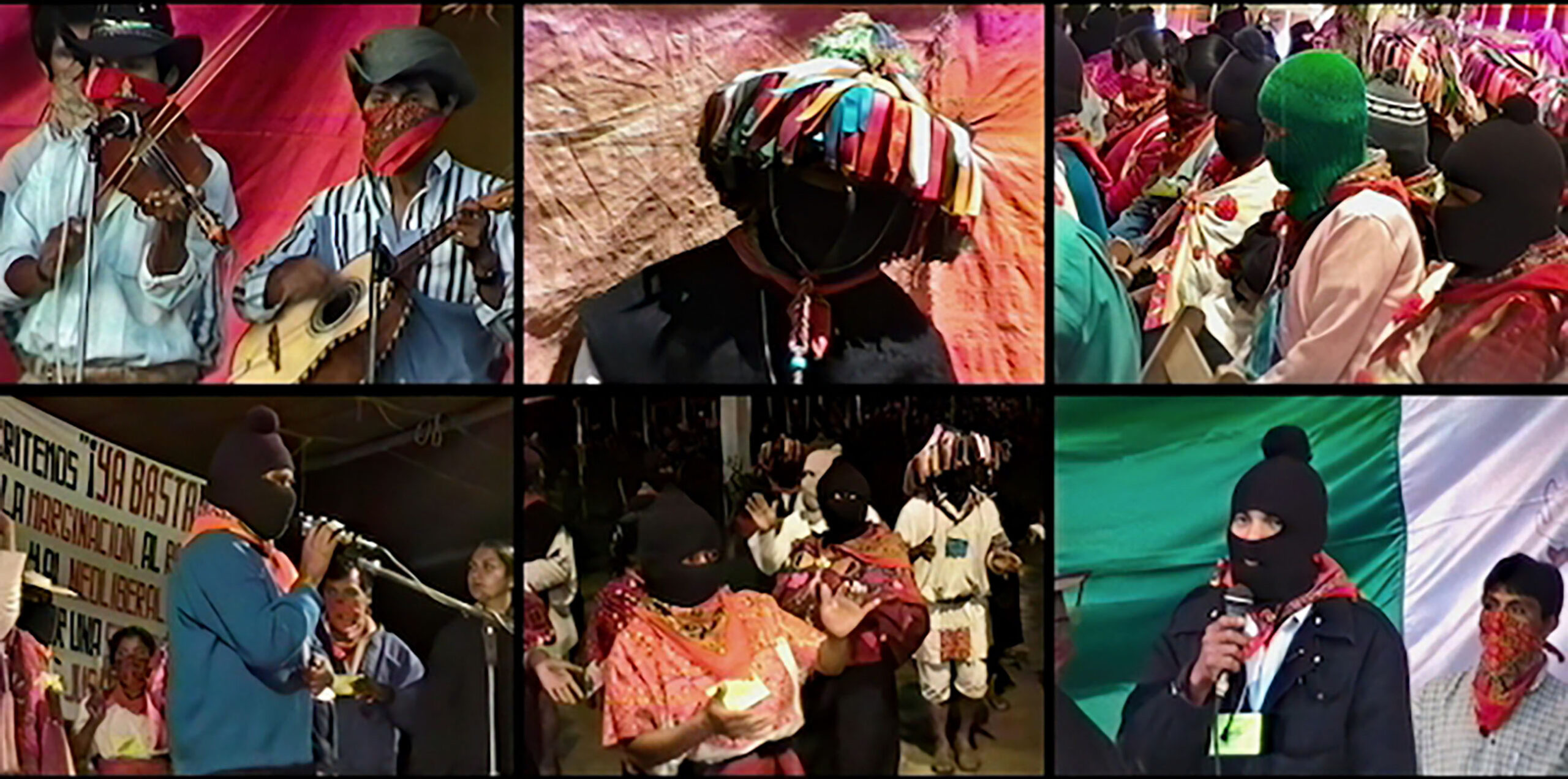
As their friendship evolved, Boch’s work grew to include music videos and a feature film, while capturing Quetzal on their journeys from East Los Angeles to Japan, autonomous Zapatista territory in Chiapas, and the fandango communities of the Mexican Gulf Coast and Sotavento region of Veracruz.
"There’s no separation of art and politics. I learned that was possible and effective.” Akira Boch, filmmaker
Boch had amassed hundreds of hours of footage without a sense of the archive he had created — until Grammy-nominated singer Aloe Blacc suggested a documentary about Quetzal. After reviewing his footage during the pandemic and creating a list of hundreds of interviewees, Boch was confronted with a decision: to use a traditional narrative to tell the story of a band, or instead create a visual portrait of a greater community through a group of musicians. In hindsight, Boch says the decision was a response to his previous work as a filmmaker.
“I wanted to challenge myself to show their story rather than have them telling stories on screen,” Boch said.
The result debuts locally this week.
Akira Boch’s documentary of Quetzal, Let the City Speak, will show on Friday, May 29, at the El Teatro Campesino Playhouse in San Juan Bautista, after an initial screening two days earlier at UC Santa Cruz. An artist talk follows with Boch, Flores and Martha Gonzalez, the main subjects of the documentary.
Enlarge
The screening is a homecoming for Boch, who grew up in San Juan Bautista and credits much of his artistic philosophy and approach to El Teatro Campesino and its founding artistic director Luis Valdez.
Boch splits his time between California and Shikoku, Japan; his residency a reflection of his family’s history. Boch’s great-grandparents migrated in the late 19-century from Hiroshima to Maui, Hawaii, where they worked on plantations alongside Korean, Filipino and other Japanese laborers. His grandfather, born in Hawaii, eventually bought a 40-acre farm in San Juan Bautista.
Executive order 9066, which rounded up Japanese-Americans into concentration camps after the bombing of Pearl Harbor, forced them out of the area. Boch’s family lived in three incarceration camps — Tule Lake in Northern California; Amache, Colorado; and Poston, Arizona. After the war, they returned to their home on Lucy Brown Lane that had been vandalized in their absence with racial slurs. The family gave up farming but still lives in the area.
"It’s an unintended response to the division and turmoil caused by the Trump regime. This is something of an antidote to what’s happening." Akira Boch, filmmaker
Boch grew up in San Juan Bautista, next to the packing shed that now houses El Teatro Campesino. He attended Hollister High School, then left for two years at UCLA before finishing college at UC Santa Cruz.
“It was a bit like the circus coming to town,” Boch said of Teatro Campesino’s arrival to San Juan Bautista. And he became friends with the sons of the circus ringleader.
Boch and Anahuac Valdez, son of Luis Valdez, met in second grade at San Juan elementary school. Anahuac’s younger brother, Kinan, would join them in Teatro Campesino’s annual summer camps and eventually the homemade music videos and films they shot on a rented VHS camcorder.
“We were trying to make our own little movies. They were all improvised,” Boch recalled. “We were editing in camera, going shot to shot. That taught me how to construct a scene.”
Enlarge
As a film student and filmmaker, Boch said, El Teatro’s blend of art and activism had a profound impact.
“Agitprop theater with a strong socio-political message — there’s no separation of art and politics,” Boch said. “I learned that was possible and effective.”
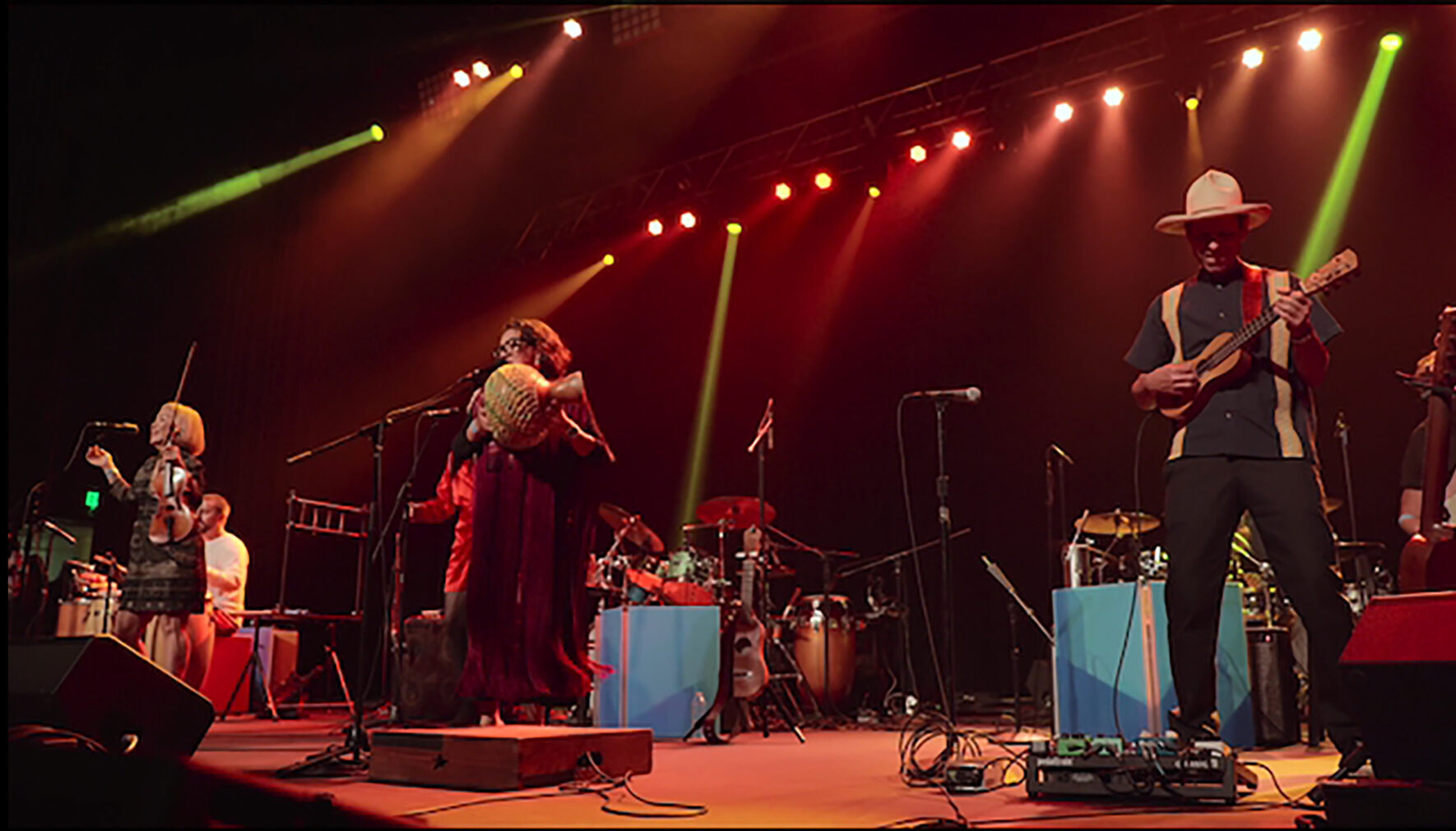
Let the City Speak features archival footage, recent film and animation to visualize the story of Quetzal. The film is also interspersed with guest musicians — Raul Pacheco of Ozomatli, La Marisoul of La Santa Cecilia, Aloe Blacc and others — playing Quetzal songs in iconic East Los Angeles landscapes.
Edited over the past year, Boch said the film offers necessary relevance as a portrait of community creating art in constant resistance to repressive social conditions.
“It’s an unintended response to the division and turmoil caused by the Trump regime,” Boch said. “This is something of an antidote to what’s happening. The timing could not be better with wanting to share this message with the American public.”
Enlarge

Have something to say about this story? Send us a letter.
SUPPORT NONPROFIT JOURNALISM 
GET OUR FREE NEWSLETTER