FEATURES |
By George B. Sánchez-Tello
Residents have until Tuesday, April 21 to register their opinions with the federal government on a proposed change to public housing rules that would exclude undocumented family members.
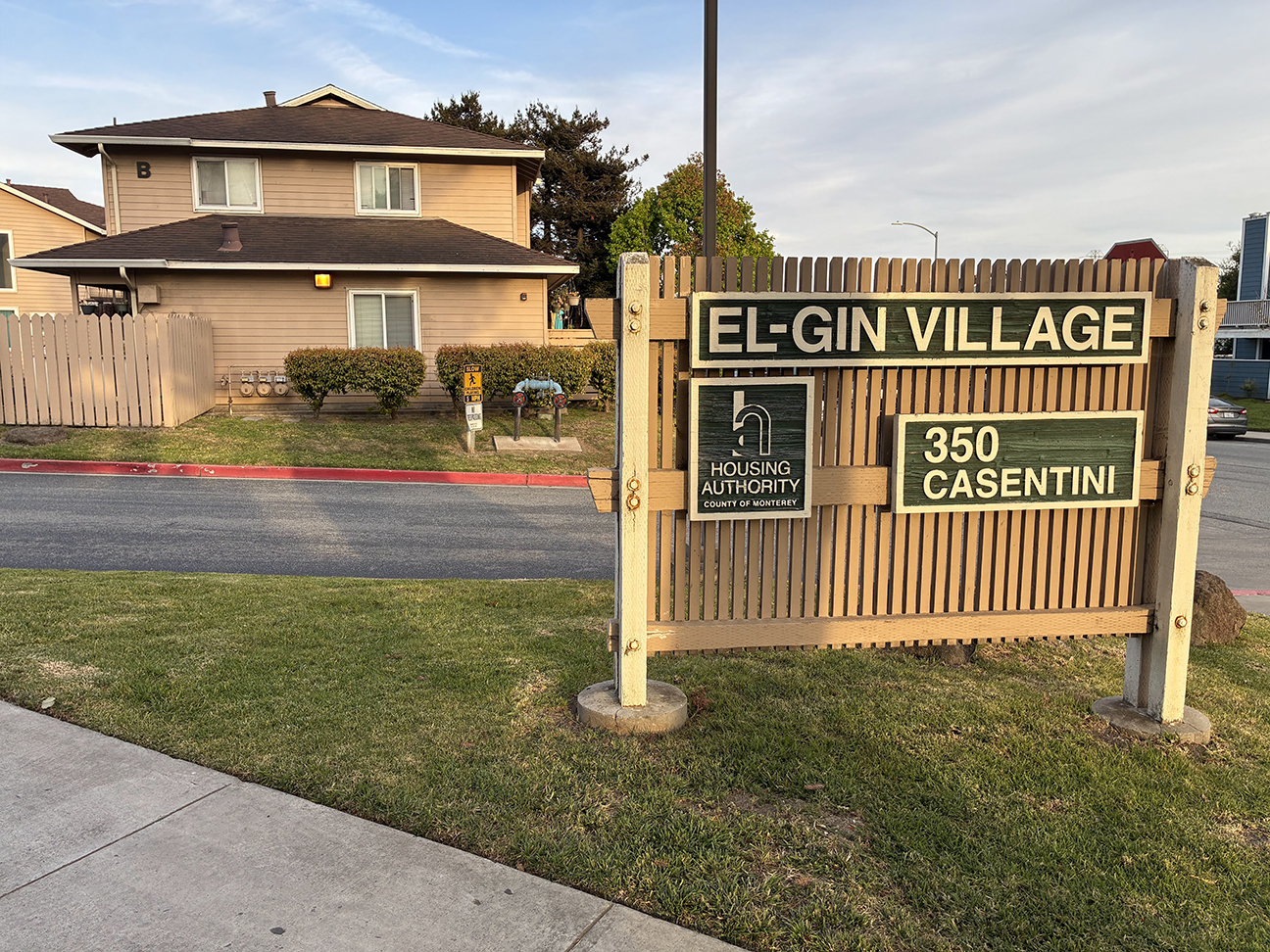
Approximately 600 “mixed-status” families in Monterey County would be impacted by this proposal, according to the Housing Authority of Monterey County.
The new proposal by the Department of Housing and Urban Development (HUD) was introduced in late February and would require citizenship verification for every resident in public housing, including recipients of housing vouchers for private rentals, or Section 8.
A recent impact analysis from HUD estimates that among family members eligible for assistance, 65% are children.
“In addition to housing insecurity and risk of homelessness, the sudden loss of rental assistance could lead to negative health and education outcomes for children,” Julie Aguilar, a research analyst at the University of California, Berkeley’s Terner Center for Housing Innovation, said in an email.
“At the same time, families are also trying to navigate the threat and impact of immigration enforcement. Recent research shows that separation from a parent or guardian because of detention or deportation could lead to anxiety, depression, or posttraumatic stress disorder among children.”
“HUD acknowledges that this rulemaking would adversely affect some tenants and
Applicants…, especially mixed families and ineligible aliens, as well as responsible entities."
HUD report
Nearly all children in mixed-status families are citizens or lawful permanent residents, said Phyllis Katz, an attorney and associate director in Salinas for California Rural Legal Assistance, Inc., a non-profit legal services organization serving rural California communities.
“HUD’s statistics show that 73% of mixed status families are composed of eligible children and ineligible parents,” Katz said. “There are nearly 37,000 U.S. citizens and otherwise eligible children in these families.”
The agency’s 66-page report on the proposed change recognizes the harm it will cause.
“HUD acknowledges that this rulemaking would adversely affect some tenants and Applicants…, especially mixed families and ineligible aliens, as well as responsible entities,” the report reads.
Immigrants rights and public housing advocates warn the proposed rule means families will lose their homes.
“Either the household no longer resides together or they leave affordable housing,” Katz said. “By definition, this is a household that cannot afford market rate housing.”
Families may be forced into substandard housing, renting a space to live and sleep in or worse, she said.
“Or not renting: being in a vehicle or leaving the area,” Katz explained.
Families must earn less than half the area’s median income for a county or metropolitan area to qualify for subsidized, or public, housing. The median income in Monterey County is $93,920, according to the 2024 United States Census’ American Community Survey, while the median for California is $100,149.
Current public housing rules allow qualifying mixed-status families — families whose members include citizens as well as legal residents or undocumented immigrants — to live in public housing or receive housing vouchers. Families must prove their eligibility by providing proof for those members who are U.S. citizens, Katz said.
Enlarge
HUD Secretary Scott Turner said in a written press statement that the proposed rule and other recent actions put the federal department in compliance with the Trump administration’s immigration priorities.
The sardonic titles on HUD press releases reflect the Trump administration’s media tactics. One press release is titled: “HUD Moves to Close ‘Mixed Status Households’ Roommate Loophole Illegals, Ineligibles, and Fraudsters: Pack Your Bags,” followed by emojis of a waving hand, a leather handbag and a jet. Another press release, which is linked in the Housing Authority of Monterey County’s website, reads: “‘Cleaning House’: HUD Orders Immediate Citizenship Verification for All Tenants in HUD-Funded Housing Nationwide.”
If the proposed rule is implemented, almost 80,000 people — more than half women and girls — across the country would lose housing aid or have to move away from family households, according to 2024 HUD data and the Center on Budget and Policy Priorities (CBPP), a non-partisan research and policy institute.
Nearly 4.5 million households across the United States and its territories receive housing assistance. California has more than 450,000 households that receive rent or housing aid, almost all of whom will be subject to the new citizenship verification. More than 7,000 households in the state are flagged as mixed-status and will lose housing under the proposed rule, CBPP found .
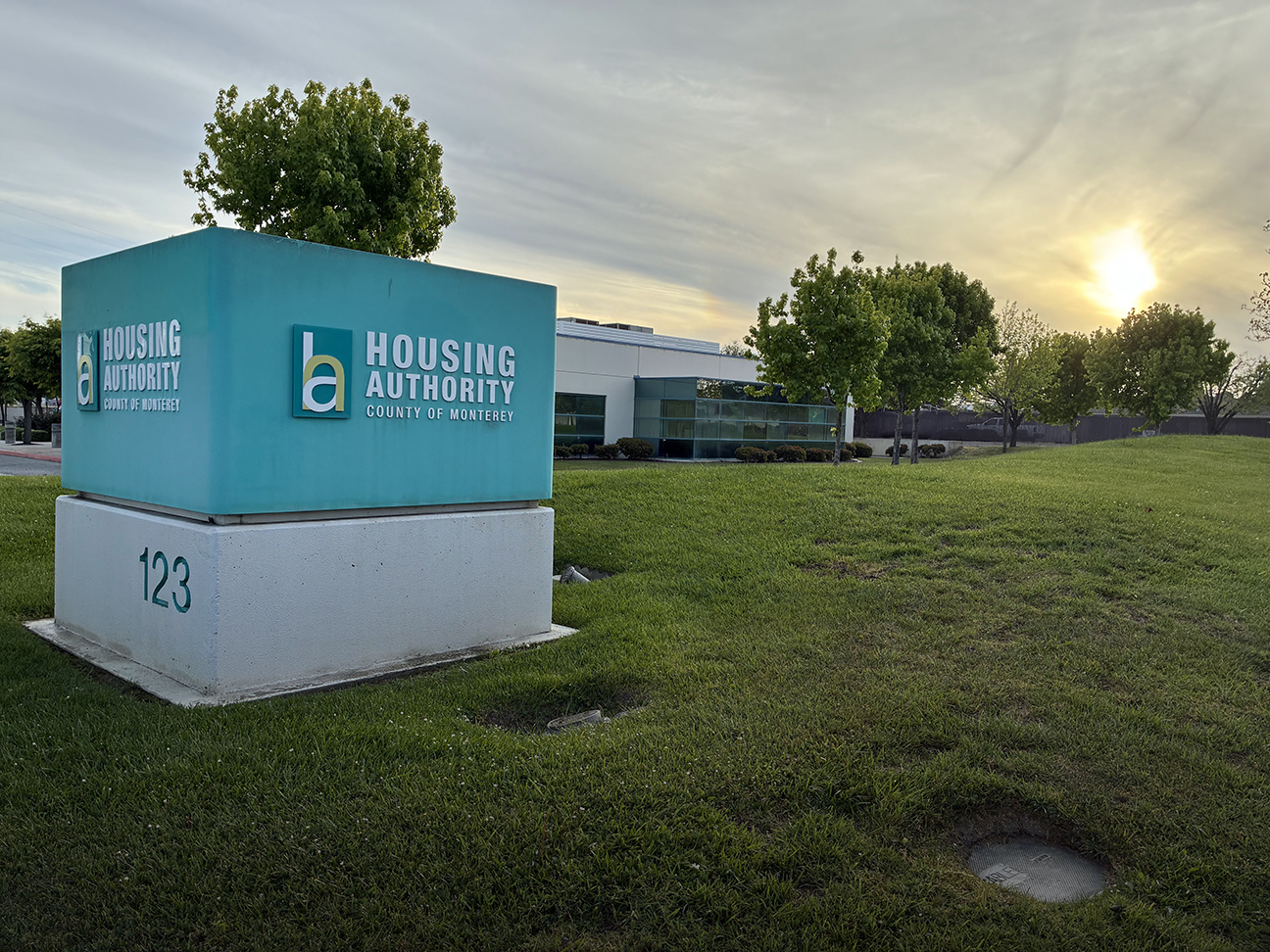
The Housing Authority of Monterey County said in an email it is not aware of nor has it been contacted by any organization opposing the proposed changes. In addition to providing housing vouchers, the housing authority manages homes for families, seniors and farm workers in Castroville, Carmel Valley, Chualar, Salinas, Greenfield, Gonzales, King City and Monterey.
On April 14, the Santa Cruz County Board of Supervisors voted unanimously to oppose the change, which would impact 270 mixed-status families receiving public housing aid in that county.
“These families would face immediate housing instability and potential homelessness,” according to a report to the Santa Cruz County Board of Supervisors.
Last month, the Santa Barbara City Council voted unanimously to file a letter of opposition against the HUD proposal. There, 148 mixed-status households and 252 children would be impacted, according to the Housing Authority of the city of Santa Barbara.
Residents can send letters and email HUD to oppose the proposed change, said Aguilar. She recommended calling representatives in Congress as well.
Local and state governments should invest in legal aid and prepare for challenges to the proposal as well as support for eviction aid, family separation and guardianship, said Aguilar, who wrote extensively in February about the proposed change.
Local and state agencies should also plan to invest in rental assistance, Aguilar added, whether it’s one-time cash aid or short-term support to help families arrange for deposits and first month’s rent.
There is also an opportunity for philanthropy — including wealthy individuals, families or foundations — to support mixed-status families, she said.
HUD is accepting comments by mail and electronically until April 21. Federal officials will then review all public comments and respond to the substantive issues raised before issuing a final report.
Enlarge

Have something to say about this story? Send us a letter.
SUPPORT NONPROFIT JOURNALISM 
GET OUR FREE NEWSLETTER