INVESTIGATIONS |
Read all of Voices’ reporting on ICE detentions at Fort Hunter Liggett here.
By George B. Sánchez-Tello
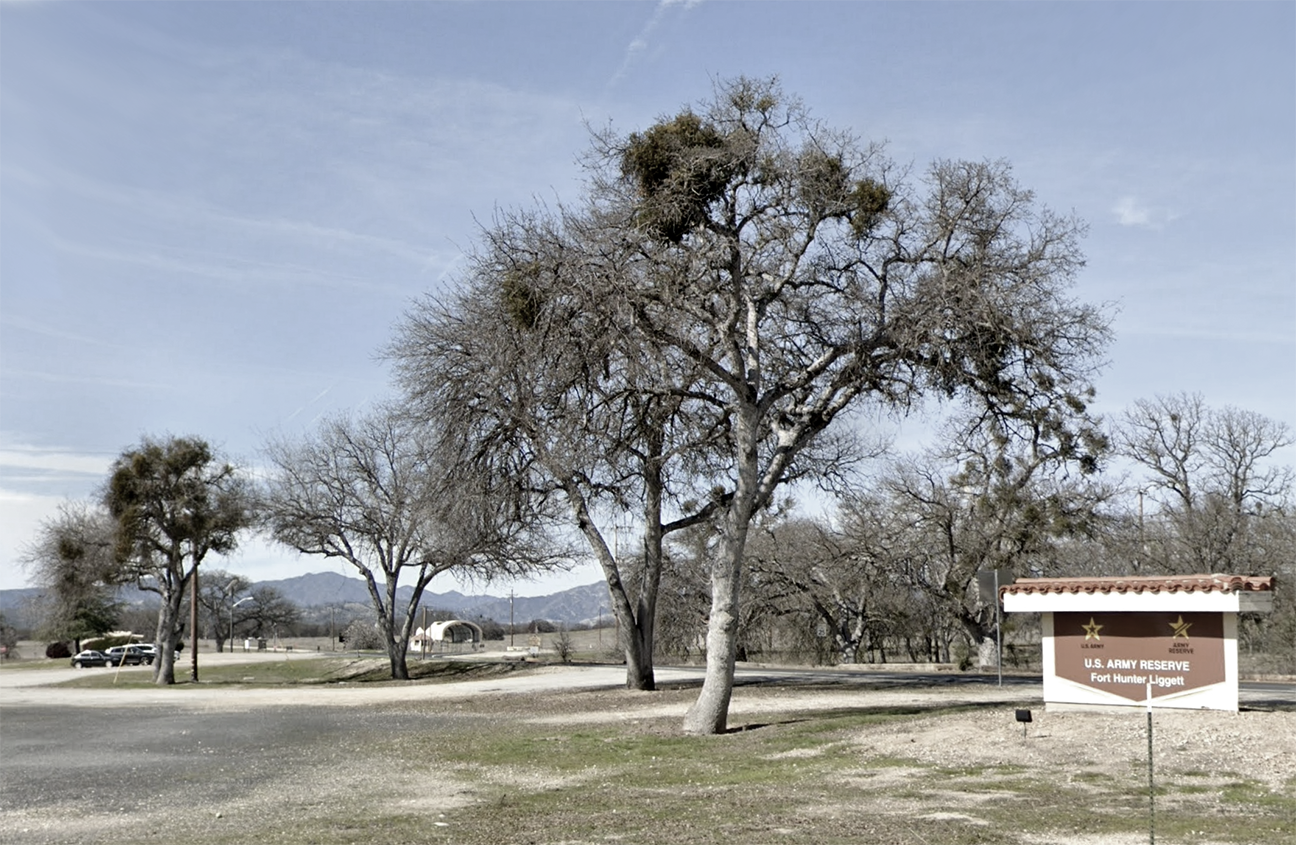
A U.S. Army official responded to an inquiry by Reps. Zoe Lofgren and Jimmy Panetta, stating Fort Hunter Liggett is currently “not aware” of plans or intentions for the Department of Homeland Security to “utilize” the U.S. Army Reserves installation in south Monterey County, Voices of Monterey Bay has learned.
The March 5 letter, obtained by Voices, also states that the Fort Hunter Liggett Police Department, a civilian federal law enforcement agency within the Army, is not patrolling Jolon Road for immigration enforcement.
Since December, numerous people have been detained in such stops, which were abruptly halted after Voices’ ongoing reporting.
“While it’s welcome news that FHL police are not currently patrolling along Jolon Road in an immigration enforcement capacity, I want to ensure it stays that way,” stated Rep. Zoe Lofgren in an email through her communications director. “I take my congressional oversight duties seriously, and if there are further issues where folks are targeted by discriminatory stops, I encourage them or their families to contact my district office.”
However, the letter to Lofgren and Panetta states that military rules require Army police to notify immigration officials if a driver is undocumented.
“Army regulation 190-45 requires FHL Police officers to inform the appropriate agency for follow on coordination if subsequent checks through California Law Enforcement Communications System (CLETS) or National Crime Information Center (NCIC) reveal the individual has a warrant, illegal status, or other actionable concerns,” wrote W. Jordan Gillis, Assistant Secretary of the Army, Installations, Energy and Environment.
Since late December, Monterey County Solidarity Network has confirmed at least 11 detentions along Jolon Road, an isolated and rural road that traverses both county and federal land. The Solidarity Network, an immigrant civil rights defense group, led an information campaign about the stops.
Fort Hunter Liggett is the largest U.S. Army Reserve training reservation, with up to 110,000 acres of its 165,000 acreage open to the public on weekends and holidays for camping, hunting and fishing. Isolated in a rural section of southern Monterey County, the Army Reserve installation is adjacent to the Santa Lucia Mountains, the Salinas Valley and Los Padres National Forest.
Following Voices’s first report, one U.S. citizen shared her story of being stopped by Fort Hunter Liggett Police. And Francisco Galicia, a recently deported resident, shared his story on social media of being stopped by Fort Hunter Liggett officers, held overnight in the cantonment jail and deported to Mexico. Galicia’s story made international news when it was reported in The Guardian.
“I and my team understand that incidents like this can create uncertainty, fear, and distrust in communities — especially among families who may already feel vulnerable.” Monterey County Sheriff Tina Nieto
Monterey County officials responded by releasing a cryptic advisory to residents, explaining what roads and land fall under federal jurisdiction and suggesting they avoid those locations.
On Feb. 12, Reps. Lofgren and Panetta — a U.S. Navy Reserve veteran who earned a Bronze Star in Afghanistan — co-authored a letter addressed to then-Homeland Security Secretary Kristi Noem and U.S. Army Secretary Daniel Driscoll.
“We write to request detailed information regarding reported Department of Homeland Security (DHS) activities occurring on or near Fort Hunter Liggett (FHL), and any current or contemplated coordination between DHS and the Department of Defense (DoD) related to the use of FHL facilities, personnel, or surrounding infrastructure,” states the joint letter.
“The protection of our civilian and military communities is of utmost importance, and we request your assistance with providing answers to the questions outline below, no later than February 27, 2026.”
The questions included whether DHS planned to utilize Fort Hunter Liggett in the future and whether Fort Hunter Liggett Police were patrolling Jolon Road to enforce immigration laws.
On March 4, five days after the Feb. 27 deadline had passed with no word from either DOD or DHS, a representative for Rep. Panetta wrote in an e-mail: “Nevertheless, both representatives continue to press DHS and DOD for answers as a response is vital to transparency and accountability with leadership. Unfortunately, this Administration has a reputation for not responding to Congressional inquiries in a timely fashion.”
Noem was removed from her post by President Donald Trump on March 5, the day the U.S. Army responded to Lofgren and Panetta. There has been no response from DHS to Lofgren and Panetta, nor to repeated requests from Voices.
Monterey County Sheriff Tina M. Nieto said in a March 10 email that she has not received a formal briefing on any federal agencies’ response to Lofgren and Panetta’s letter.
“Monterey County is home to a diverse community and a workforce that includes tens of thousands of immigrant residents who contribute every day to our agricultural economy, local businesses, and neighborhoods. I believe the strength of our county depends on people feeling safe living, working, and raising their families here,” Nieto wrote.
“I and my team also understand that incidents like this can create uncertainty, fear, and distrust in communities — especially among families who may already feel vulnerable. When people feel uncertainty or fear, it is the responsibility of local leadership to listen, to communicate, and to ensure our communities remain safe and stable.”
Monterey County Supervisor Chris Lopez, whose district spans south Monterey County, including the towns and unincorporated areas around Fort Hunter Liggett, has not responded to requests for comment from Voices.
Enlarge

Have something to say about this story? Send us a letter.
SUPPORT NONPROFIT JOURNALISM 
GET OUR FREE NEWSLETTER