FEATURED |
By George B. Sánchez-Tello
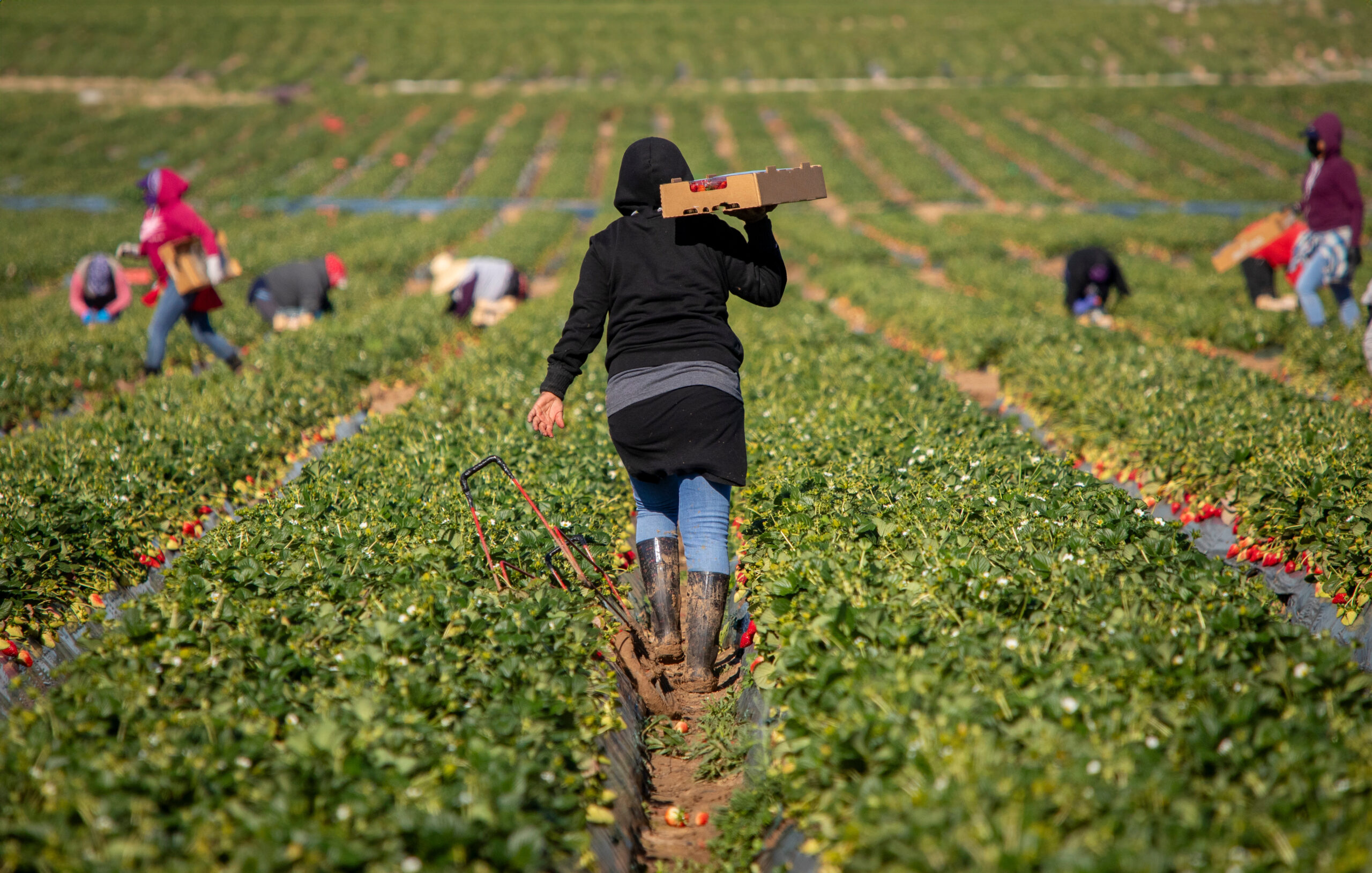
A premature newborn was found dead on the side of a strawberry field off Struve Road in Monterey County in early August. By mid-September, the news had gone viral on social media among California’s Mixteco community.
The investigation honed in on a 14-year-old Mixteca girl, her own 36-year-old mother, and the teen’s father, Sergio Gálvez Pérez, a Castroville musician accused of incest — and allegedly the father of the deceased child. Law enforcement officials announced they were seeking Gálvez Pérez, whom they suspected of kidnapping the teen and fleeing to Mexico after the baby’s death.
The urgency to distance Mexico’s Indigenous Mixteco culture and community from the alleged incest and rape stems from public announcements about the baby’s death, as well as the investigation and ensuing media attention.
The 14-year-old youth was initially described as a murder suspect by Monterey County Sheriff Tina Nieto, and only later as a victim. The office had named the premature infant “Baby Angelita.” By the time a statewide Amber Alert for the missing teen was issued on Sept. 8, the death of the baby had made news across the country. The celebrity gossip outlet TMZ created a page dedicated to the story, with one column specifically focused on a music video by Gálvez Pérez.
The Monterey County Sheriff’s Office said there was evidence the teen had given birth on the side of Struve Road, that Baby Angelita suffered a traumatic injury and was abandoned there.
After a month-long manhunt, last Sunday, Oct. 4, the sheriff’s office announced Gálvez Pérez had been arrested by Mexican authorities and the 14-year-old rescued. Both remain in Mexican custody.
In addition, the sheriff publicly revealed the teenager’s name — unusual for victims of sexual assault, especially minors.
On Oct. 8, sheriff’s deputies revealed during a press conference that they believe the 14-year-old gave birth in the field where she and her mother worked. Law enforcement alleged the 14-year-old drove over the infant.
“This case does not change what we have gone through all these years.” Arcenio López, Mixteco Indígena Community Organizing Project.
Mixteco communities in Monterey, Santa Barbara, Ventura and San Luis Obispo counties have been buzzing about the events — in cities like Salinas, Watsonville, San Jose, Fresno, and all the way to the southern Mexican states of Guerrero and Oaxaca. Comments noting the allegations and investigation were posted on social media below videos of Gálvez Pérez’s musical performances.
Among California Mixtecos, there is disbelief and disapproval of Gálvez Pérez’ alleged actions. But the initial announcement that the Monterey County Sheriff’s Office considered the teen mother as a suspect has prompted anger.
And it’s also prompting questions about what could have been done to prevent the tragedy, and what kind of services and outreach should be done to better support Indigenous communities. Locals viewed it as another national headline that reminds a vulnerable group of Indigenous Mexicans of their tenuous place in the United States — and Mexico.
“This case does not change what we have gone through all these years,” said Arcenio López, executive director of Oxnard-based Mixteco Indígena Community Organizing Project.
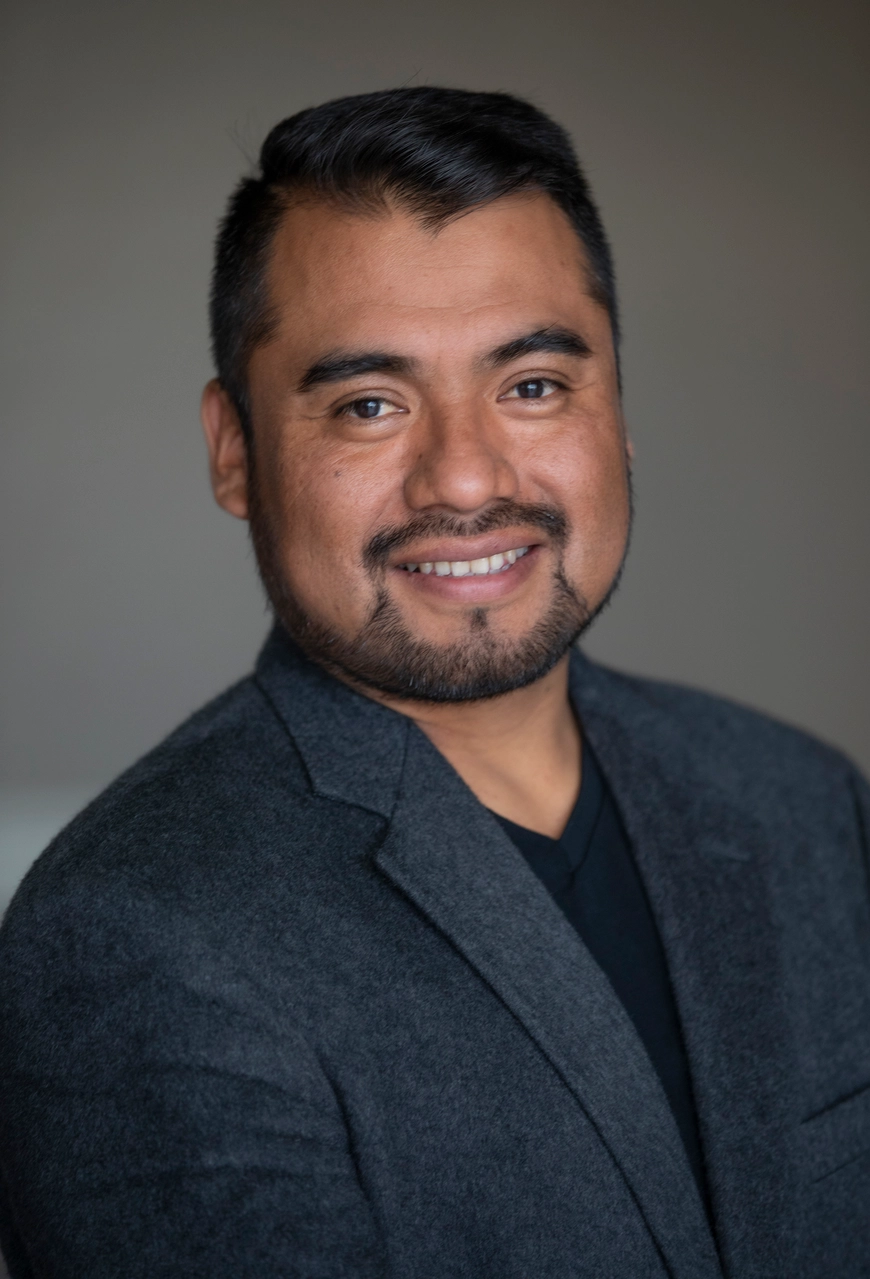
The fact that a teen victim of incest would be considered a criminal suspect was still hard to process, even after Monterey County District Attorney Jeannine Pacioni announced that prosecutors would not charge the teen girl and instead considered her a victim of her father’s crimes, López said.
Monterey County Sheriff Tina Nieto walked back its murder charge against the girl but the damage was done, López said — a sentiment echoed by others who spoke off the record for fear of unwanted attention.
“We’re talking about a 13-, 14-year-old girl that is a victim and — what is the word? Secuestrado — kidnapped,” López said. “The whole way it was handled, it’s so concerning. The whole narrative of criminalization and not seeing sends another message of what our people feel about police and the sheriff — of no trust.”
The incident brought back painful memories of national headlines and jokes following the arrest of an Indigenous Greenfield resident. A father had gone to police to complain about not receiving the agreed-upon dowry for his teenage daughter’s wedding. The incident was recast in the news media as a father who sold his daughter for money and beer.
The recent tragedy was also experienced first-hand by the 36-year-old mother of the teenager, López added, and there shouldn’t be a rush to condemn her. The 36-year-old may potentially be a victim and is likely in need of support, he cautioned. The public should not assume she condoned Gálvez Pérez’s actions, López said, and wondered if the woman suffered emotional and physical coercion. “Was she under threat?” he asked. “Did she do something? Did she call the police?”
Late Tuesday, Oct, 6, the Monterey County Sheriff’s announced they had arrested Ofelia Ortega García, the mother of the teenager, at the county courthouse in Salinas. Investigators said Ortega García allowed her teen daughter to drive without a license, work in agriculture fields with false documents and to miss school. Ortega García was charged with two felonies and one misdemeanor.
“Rape is not a Mixteco practice; it is a crime.” Jissel Antonio, Centro Binacional para el Desarollo Indígena Oaxaqueño
Incest and rape are not cultural traditions among Mixtecos and the broader Indigenous community, said several people who spoke with Voices, adding that it was infuriating to have to state the obvious.
“Rape is not a Mixteco practice; it is a crime,” said Jissel Antonio, a lead organizer with the Centro Binacional para el Desarollo Indígena Oaxaqueño (CBDIO), an advocacy and support organization for Indigenous Oaxacans in rural California. The organization has an office in Salinas that works with the region’s Mixteco community.
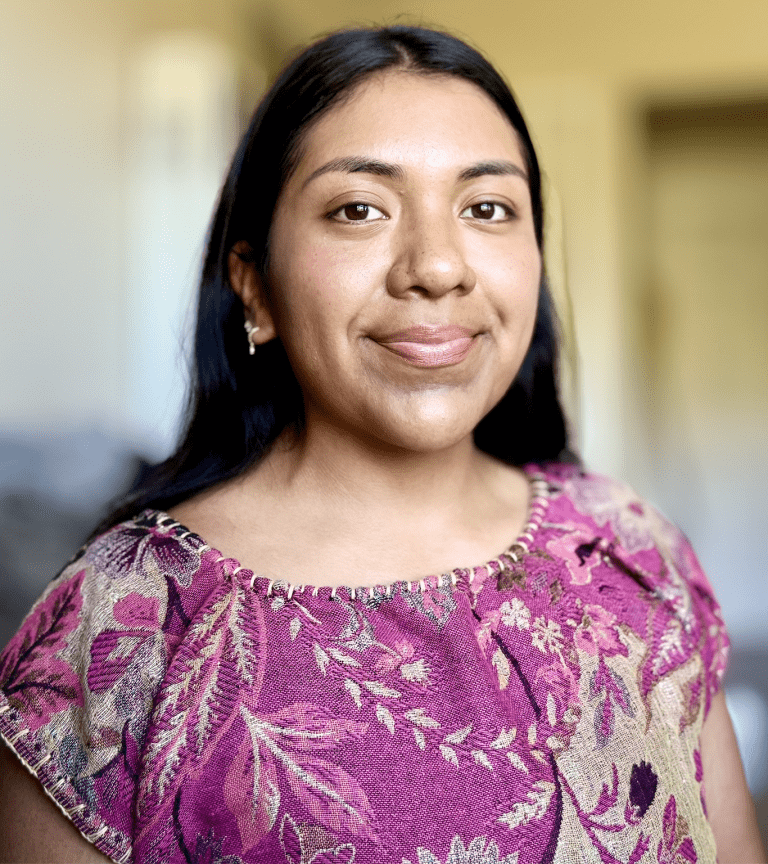
Much of that community’s systemic distrust begins in Mexico, where discrimination and racism against Indigenous communities is blatant, explained Xóchitl Chávez, an ethnomusicologist who has studied Oaxacan music, festivals and communities across California and Oaxaca. In the U.S., Mixtecos navigate anti-immigrant racism among Americans and anti-Indigenous racism from fellow Mexicans and Mexican-Americans.
López and his compatriots who spoke with Voices recalled coming to the United States only to still be called a pejorative term — a unique insult in Spanish that translates to “small, little Oaxacan.” The slur erases distinctions of culture, language and history among that region’s various peoples, including Zapotecos, Triquis and Mixtecos.
Encountering discrimination among Americans and Mexican compatriots partially explains why Mixteco communities have taken root in rural and often isolated places, Chávez said. Rural locales like Watsonville, Salinas, Sonoma and Madera offer seasonal field work and distance from prejudice.
“These types of things can be prevented with information. ... The police department, the sheriff’s, county public health, hospitals, fire department — the organizations serving our community need to develop multilingual resources.” Arcenio López, Mixteco Indígena Community Organizing Project.
López says the circumstances of Baby Angelita’s death and her mother’s pregnancy highlight the urgency for Monterey County public agencies to create culturally and linguistically appropriate resources — like audio and visual outreach, public service announcements, education, and support for those suffering abuse — tailored to Mixteco and other indigenous communities in the region.
“These types of things can be prevented with information,” López said. “Oftentimes it is put on us, nonprofits, but it has to be intentional. The police department, the sheriff’s, county public health, hospitals, fire department — the organizations serving our community need to develop multilingual resources.”
Whether the unwanted attention and criminal investigation lead to partnerships to better serve Indigenous communities, the death of a baby and allegations of incest are not a lens Mixtecos want to be seen through, said several people who spoke with Voices.
Asked if the investigation has prompted a greater sense of caution, López said caution is nothing new to a vulnerable community.
“I think we’ve always been careful. We’re in this struggle of feeling safe and free in this country.”
FEATURED IMAGE |
Enlarge

Have something to say about this story? Send us a letter.
SUPPORT NONPROFIT JOURNALISM 
GET OUR FREE NEWSLETTER