By George B. Sánchez-Tello
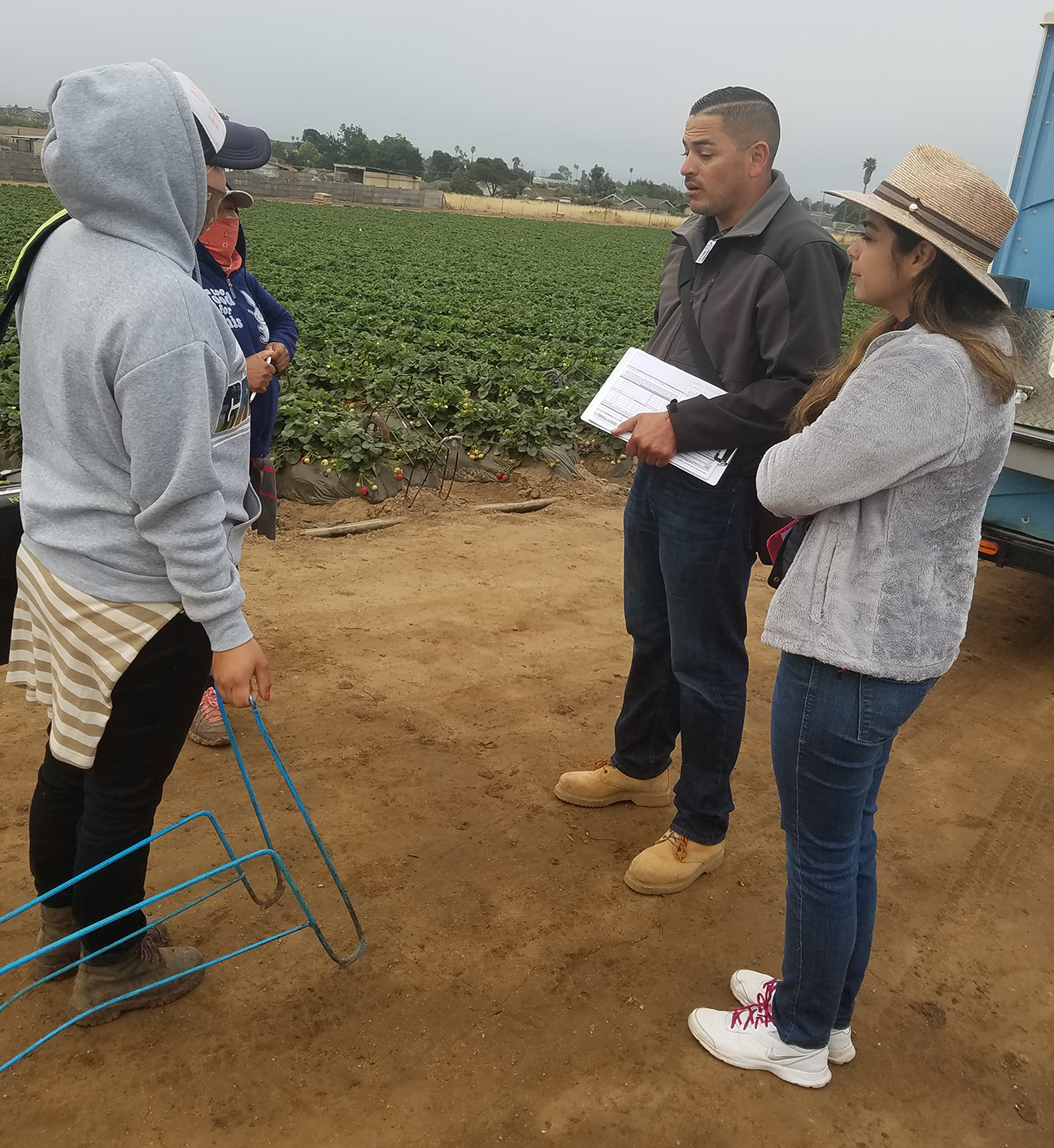
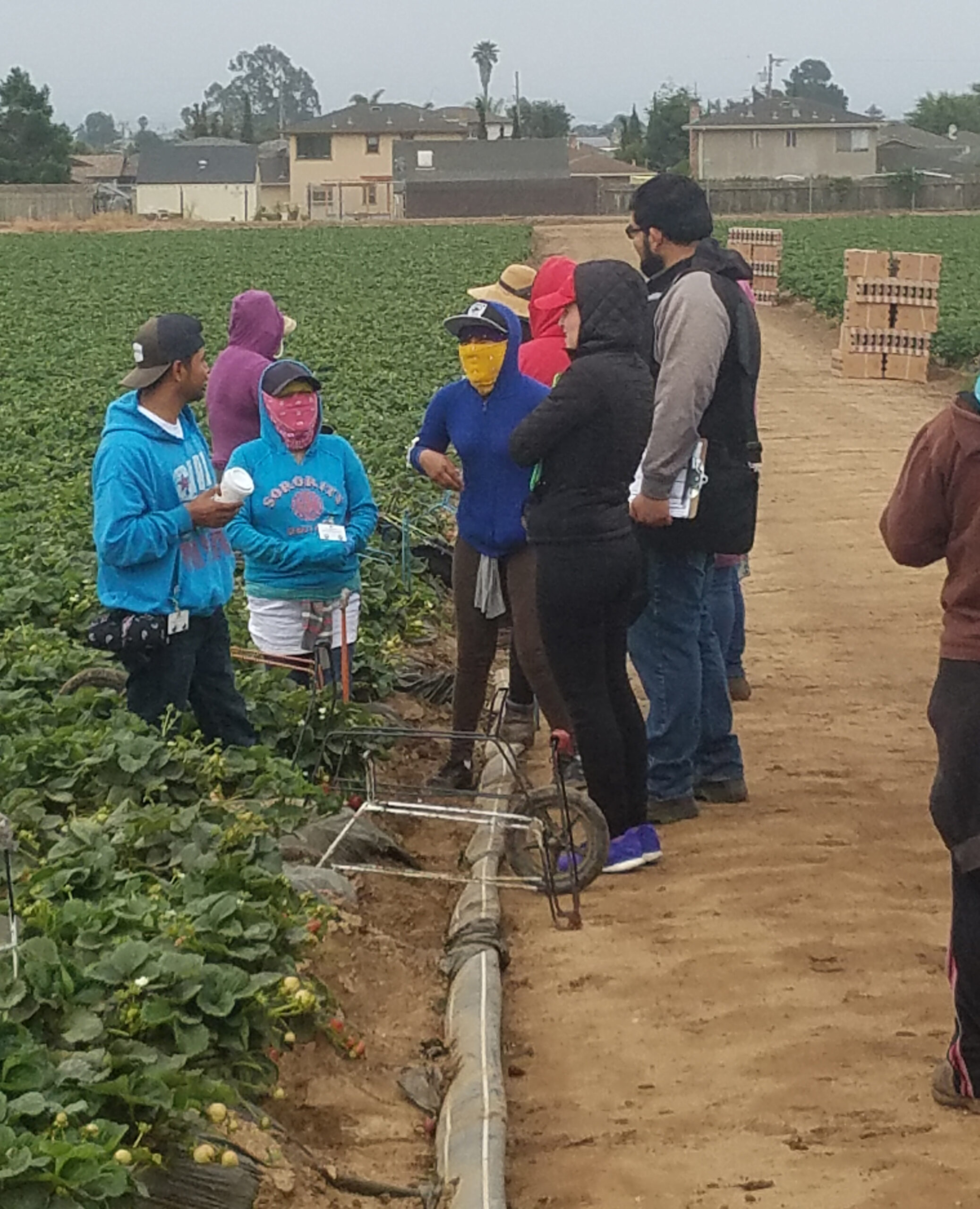
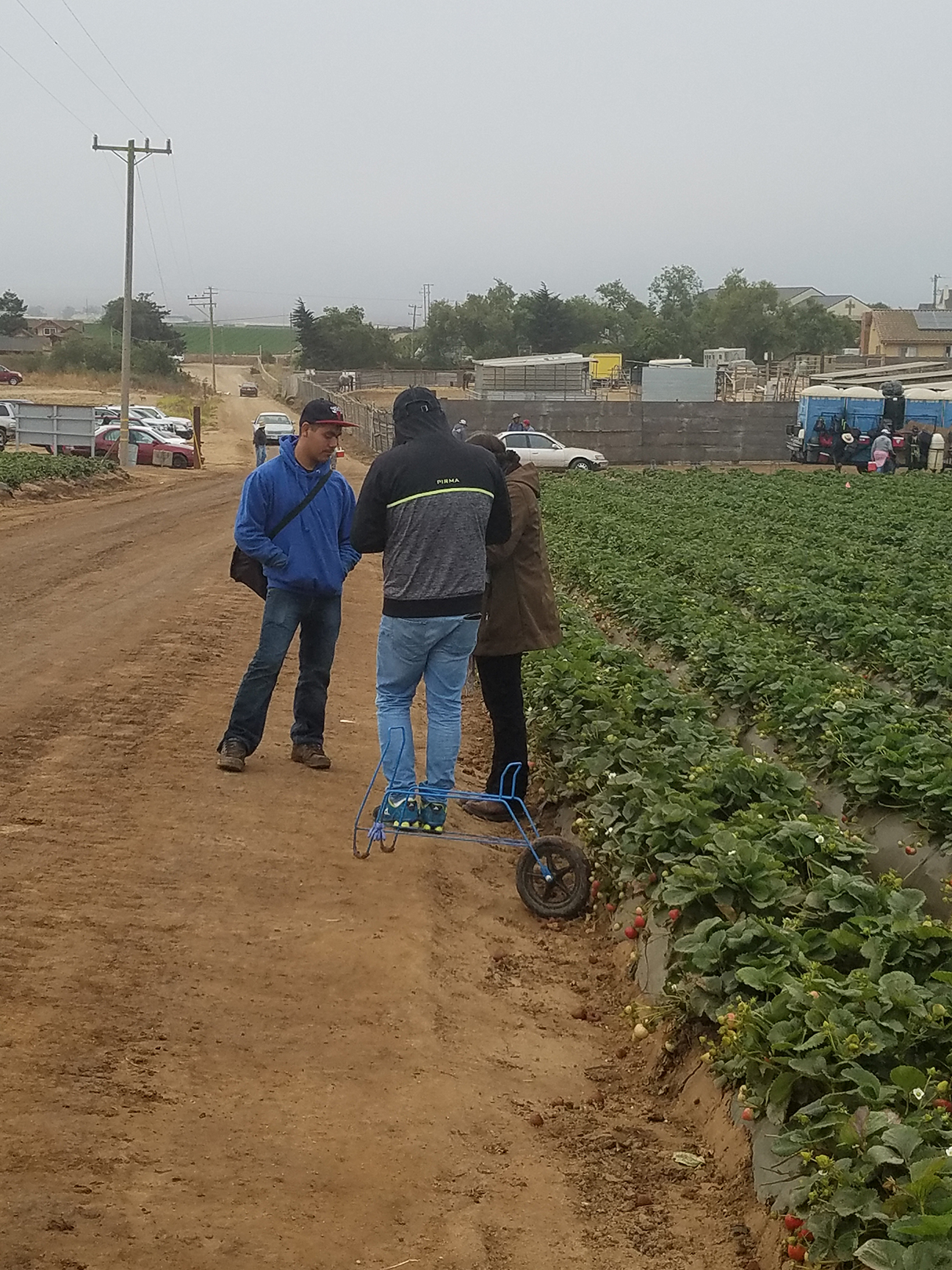
Monterey County migrant education needs someone to work in Castroville. A full-time job earning up to $31.62 an hour, work starts at 5 a.m., visiting bus stops, parking lots and work sites, like the agricultural fields that connect much of Monterey County. On the weekend, that person might visit flea markets, laundromats and community events.
The sole purpose of the position, formally titled Identification and Recruitment Liaison I, is to speak with the region’s migrant parents and determine whether their child meets the federal definition of a migrant student: For example, the parent works in the agriculture, dairy, lumber or fishing industries and the child or family has moved within the past three years.
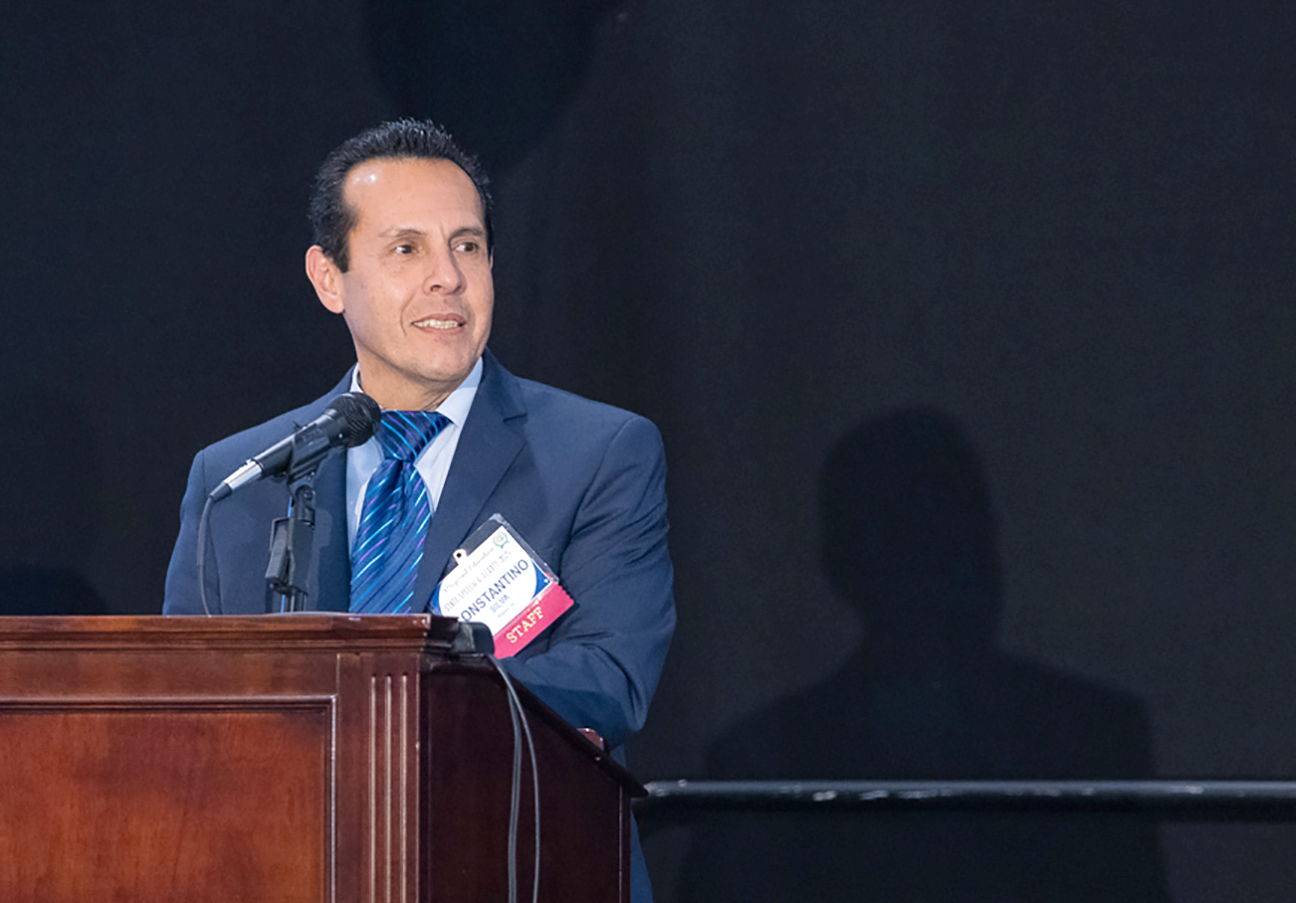
This job is crucial for student and family support as well as keeping migrant education running, explained Constantino Silva, senior director of migrant education for Monterey County’s Office of Education, and Program Manager Efrain Magallanes.
But they can’t fill the position.
In addition, Silva needs teachers for Monterey County’s migrant students. Part-time instructors can make $50 an hour. Migrant resource teachers can earn up to $126,000 annually, with health care coverage that includes dental and vision.
Yet these positions remain unfilled for a simple reason: Candidates are concerned the jobs won’t exist next year.
“Across the board, people are nervous for what might happen,” said Silva.
The Trump administration has frozen and unfrozen federal funding for migrant education multiple times since taking office in January. In May, the president announced a budget proposal that would cut $12 billion from the Department of Education and end federal support for migrant education.
That lack of stability affects students and their families, one parent explained.
“Not having resources and people impacts our children: They’ll get less services and they won’t get the same quality of services,” said Blanca Miranda, whose children have benefited from migrant education programs run by the county, Alisal Union School District and Salinas Union High School District.
“If an employee doesn’t know if they’ll stay, they won’t commit themselves the same. They’re not thinking about the future — being here in five years,” she said. “And I don’t blame them. I would do the same.”
The Trump administration has frozen and unfrozen federal funding for migrant education multiple times since taking office in January. In May, the president announced a budget proposal that would cut $12 billion from the Department of Education and end federal support for migrant education.
Despite surviving the spring federal funding freeze, statewide ICE raids, and the 43-day federal government shutdown, the future of migrant education is unsteady without once-reliable federal grants.
This has hindered long-term planning and prevented the county from hiring for migrant ed positions that include teachers, family support and student recruitment.
Migrant education programs exist across the United States to improve educational gaps among children whose parents move for seasonal work. The program began in 1966 as part of Lyndon B. Johnson’s Great Society initiative, and had bipartisan support. Recent audits and studies show that students who participate in migrant education have improved in reading, math and other subjects.
Enlarge

Miranda works in human resources for a packing company in Salinas, but before that, she worked what she calls “crews” — picking lettuce, cauliflower and broccoli.
Working crews meant living in Salinas for seven months, one month in the Central Valley town of Huron, and four months in Yuma, Arizona. Her children, now 19 and 12, would follow during school breaks. The disruption to their education — having to re-enroll in a new district with each move — also meant there were days she could not work, Miranda says. Every move prompted new questions: Where will we live? Who is their new teacher? Will they make new friends?
“Emotionally, it’s a struggle,” Miranda said. “We struggle a lot.”
Academically, the constant movement took a toll as well. Her son had bilingual classes in Salinas, while in Yuma, they were English-only, which impacted his academic growth.
But migrant education teachers provided the children with academic stability in the classroom as well as staff who could communicate with school districts elsewhere to keep students on track.
Miranda still moves for work, but the uprooting is not as sudden — or for as long — as when she worked on crews.
~
Migrant education programs, like school districts, rely on student enrollment for funding — in this case, federal grants. Without staff to identify and recruit, there’s no funding, Silva said. The county’s Office of Education serves approximately 10,000 migrant students in 11 local school districts, he added — down from 30,000 in the late 1990s.
Another obstacle to recruitment: Amidst the nationwide immigration raids, families are afraid of the questions asked by migrant education officials, Silva said.
“We have had workers and families let us know they don’t want to be part of the program, and we have to respect that,” program manager Magallanes adds. As a result, he noted, eligibility numbers are down five to 10 percent.
Family fear of deportation means fewer students are eligible for education support. And having less pupils — which translates into less funding — worsens an already tenuous financial footing, Silva said.
In February, federal grants were frozen with no warning, he said. “There was a shot across the bow.”
Typically, by March, migrant education receives an estimate of projected funding for the next school year so officials can plan appropriately. But this year, there was no notice from the California Department of Education, which distributes the federal funds.
Silva learned the lack of information was a result of staff cuts by DOGE, the Elon Musk-led Department of Government Efficiency.
Then, in late March, Trump signed executive order 14242, directing Education Secretary and professional wrestling magnate Linda McMahon to “take all necessary steps to facilitate the closure of the Department of Education.”
But closing the department requires either 60 Senate votes or for the department to be defunded.
Neither occurred this spring. So Silva and his colleagues prepared two separate plans for the current school year. The first was based on an estimate of potential funds. The other prepared for the worst-case scenario: no money.
Amidst the uncertainty, the department continued with recruitment and interviews for teaching and school-site work. Candidates were offered jobs.
As spring led to summer, Silva became anxious, expecting a budget announcement to solidify plans for the 2025-2026 school year. Instead, on June 30, the government announced another freeze on all federal education funding, including migrant education.
“It was hurtful, more than anything. We have staff who have been here for 30 years.” Efrain Magallanes, Monterey County Office of Education
The lack of funding forced migrant education staff to implement their plan for “no funds.”
Notices were sent on July 9. Teachers, counselors and administrators were reassigned. Staff were sent layoff notices. Though they had been warned all year of this possibility, that didn’t make it any easier, said Magallanes.
“It was hurtful, more than anything,” he said. “We have staff who have been here for 30 years.”
Potential new employees had their job offers rescinded, Silva said.
By late July, the federal grants were finally released. Monterey County received almost $14.5 million for the 2025-2026 school year — funding from a budget passed under the Biden Administration — which is up half a million dollars from the previous school year.
Reassigned staff were invited to return to migrant education, Silva said. But facing another year of uncertainty, some choose to stay with more stable jobs elsewhere. Potential employees who’d been left hanging were again offered positions. Not all took the jobs, citing the instability.
Silva recalled an interview with a former migrant student who was offered work as a family services advocate. Previously excited by the opportunity, they were now cautious.
“They said they’d wait and see,” Silva said.
————————
LIKE NONPROFIT, INDEPENDENT JOURNALISM? THROUGH DEC 31, YOUR DONATION TO VOICES IS DOUBLED!
————————
Throughout the summer, there was a public advocacy campaign to support migrant education, led by Superintendent Deenen Guss and the County Board of Education. Quotes and stories appeared in the New York Times and The Guardian. Local Democratic congressmembers Jimmy Panetta and Zoe Lofgren pledged support.
“The Trump Administration has been hellbent on terrorizing our immigrant communities, but they’re also at war with public education. Sadly, the Migrant Worker Education Program bears the brunt of both those attacks,” Lofgren said in an emailed statement. “It’s up to all of us to raise our voices against this Administration’s cruel agenda and stand beside our immigrant neighbors, especially in these distressing times.”
Two weeks into the government shutdown, Education Secretary McMahon posted on X that the shutdown “confirms what the President has said: the federal Department of Education is unnecessary, and we should return education to the states.”
Leslie Villegas, a senior policy analyst for education at New America, a liberal think tank in Washington, D.C., said public trust in federal institutions has been undermined by the Trump administration. The chaotic approach to managing the Department of Education and the rest of the federal government is creating threats of closure and defunding without formally enacting such policies, she said.
“The cumulative effects of all the cuts are harming the most vulnerable students — migrant students,” Villegas said. “They’re trying to make it harder for the children of migrants to access their civil right to education. That is their goal.”
As for the next few years, states as well as school districts will likely need to dedicate funds for programs like migrant education, Villegas said.
“States can prioritize funding and do a line-item budget for migrant education,” Villegas suggested.
"The Trump Administration has been hellbent on terrorizing our immigrant communities, but they're also at war with public education. Sadly, the Migrant Worker Education Program bears the brunt of both those attacks'” Rep. Zoe Lofgren
Miranda notes there are benefits from these programs for parents, too. Her shift from working the fields to administrative positions began after she became a mother. Through migrant education programs, Miranda learned about certificate classes, adult school at Hartnell College in Salinas, and how to advocate for her children.
She credits her sense of agency to the parent training sessions provided by migrant education staff.
“The advocate parent I am is because of migrant education in Monterey County,” Miranda said.
Meanwhile, as the first semester of the school year nears its conclusion, Monterey County’s migrant education office is still looking for a migrant resource teacher for North Monterey County, an hourly teacher for migrant education, and an identification and recruitment liaison for Castroville, among other positions. There’s a note at the bottom of the job listings: “This position is grant-funded. The grant is expected to end 6/30/2026.”
FEATURED IMAGE |
Enlarge

Have something to say about this story? Send us a letter.
SUPPORT NONPROFIT JOURNALISM 
GET OUR FREE NEWSLETTER